
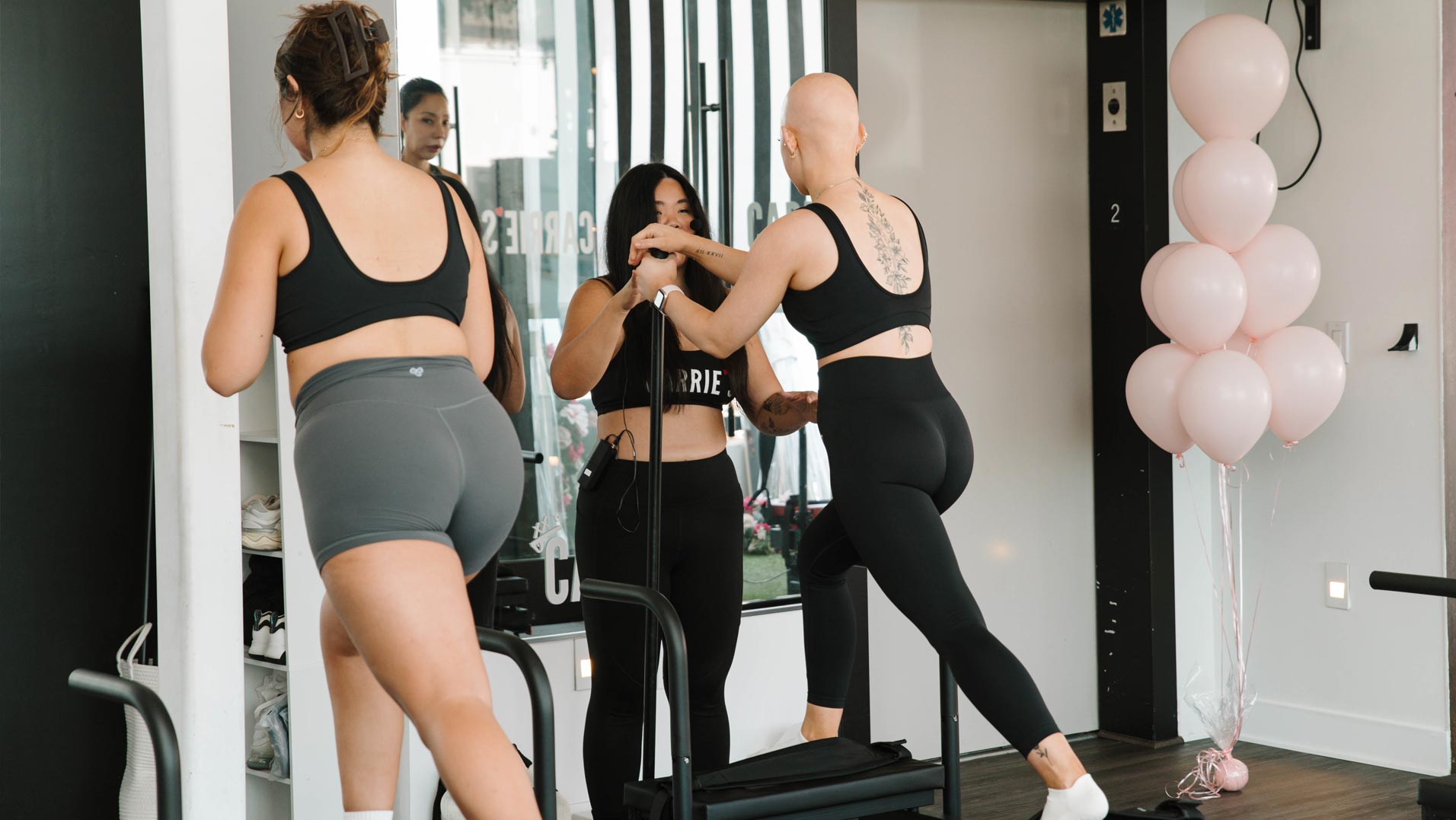
THE ULTIMATE GUIDE TO PILATES
Pilates is one of the most effective, low-impact exercises to improve core strength, flexibility, posture, and overall health. Whether you’re a beginner or an advanced practitioner, Pilates offers a range of benefits that can be tailored to your fitness goals. From weight loss to relieving back pain, Pilates has earned a reputation as an essential form of exercise for people of all ages and fitness levels. In this guide, we will delve deep into the numerous benefits of Pilates, particularly focusing on its ability to enhance core strength, aid in weight loss, and improve flexibility.
Why Pilates Is Essential for Core Strength
Understanding the Core in Pilates Your core is the foundation of nearly every movement you make. It consists of the muscles in your abdomen, lower back, hips, and pelvis. Pilates is renowned for its ability to target these muscles, strengthening the core to improve stability and functionality in other physical activities Key Pilates Exercises for Core Strength- The Hundred: This classic Pilates exercise engages the entire core. Start lying on your back, lift your legs to a tabletop position, and pulse your arms in small motions while maintaining your abdominal engagement. This movement is designed to increase endurance and target the deepest core muscles.
- Planks: One of the most effective exercises for engaging the core, Pilates planks can be modified to suit all fitness levels. By holding a plank position, you build endurance and strength in the abdominal muscles, shoulders, and glutes
- Roll-Ups: Roll-ups improve flexibility in the spine and strengthen the abdominal muscles. This exercise involves slowly rolling your body up from a flat position to a seated position, engaging your abs throughout the motion.
Pilates for Weight Loss: How It Works
Calorie Burn Through Pilates While Pilates isn’t as intense as running or cycling, it can still contribute significantly to weight loss by improving muscle tone, promoting fat-burning, and increasing metabolism. Pilates helps burn calories by building lean muscle mass, which, in turn, boosts your resting metabolic rate The Role of Pilates in Fat Loss Pilates routines like One-Leg Circles, Side Kicks, and Crisscross target multiple muscle groups, keeping your body in constant motion to burn fat efficiently Additionally, Pilates improves your flexibility and helps with the mobility of your muscles, increasing overall physical activity levels and promoting sustained fat loss. Is Pilates Enough for Weight Loss? To see significant weight loss results, combining Pilates with a healthy diet and cardiovascular exercise is crucial. However, Pilates exercises help sculpt the body and tone muscles while burning calories For example, the Plank and Side Plank help tone the waist and strengthen the arms, while exercises like the Pilates Push-Up engage your upper body and core to improve muscle mass, which supports weight loss.Flexibility and Posture: Key Benefits of Pilates
Improving Flexibility with Pilates Flexibility is a vital aspect of overall health. Pilates stretches the muscles and helps increase the range of motion, particularly in the hamstrings, hips, and spine. Pilates stretches such as the Saw and Spine Stretch Forward are specifically designed to elongate muscles, reduce muscle tightness, and improve overall flexibility Pilates for Posture Posture improvement is one of the most celebrated benefits of Pilates. The exercises focus on strengthening the muscles around your spine, improving your overall alignment. A strong core and engaged muscles help prevent slouching and reduce the risk of long-term damage caused by poor posturePilates for Beginners: Getting Started
What to Expect from Your First Pilates Class If you’re new to Pilates, it’s best to start with beginner-friendly exercises. You will begin by learning to engage your core muscles and perform simple movements. Key exercises for beginners include The Roll-Up, The Hundred, and basic stretches Tips for Beginners- Focus on Breathing: Pilates emphasizes controlled breathing, which is essential for engaging the muscles effectively.
- Go Slow: It’s important to maintain proper form, even if it means moving slower. Speed can come later as your body becomes accustomed to the exercises.
- Start with Mat Pilates: Before progressing to equipment-based exercises, starting with mat Pilates helps you master the basic movements and principles
- Pilates for Postpartum Recovery
How Pilates Aids in Postpartum Recovery
Pilates is often recommended for postpartum recovery because it gently strengthens the pelvic floor, core muscles, and back, areas that are significantly weakened during pregnancy and childbirth. Pelvic Floor Exercises and core exercises like the Pelvic Tilt are perfect for rebuilding strength without placing undue stress on the body . Benefits for New Mothers- Improves Core Strength: Postpartum Pilates helps restore muscle tone and strength in the abdominal and pelvic regions.
- Enhances Flexibility: Pregnancy can lead to tight muscles, and Pilates helps stretch and lengthen them.
- Supports Mental Well-Being: Pilates can help new mothers reduce stress, increase energy, and improve their overall mood
Pilates for Seniors: A Low-Impact Exercise
Why Pilates is Perfect for Seniors For seniors, Pilates offers a low-impact alternative to high-intensity exercises while still delivering a range of health benefits. It helps with balance, flexibility, and muscle strength. Regular Pilates practice for seniors can also help with arthritis management and increase bone density, which is crucial as we age Recommended Pilates Exercises for Seniors- Seated Roll Down: A gentle exercise to improve spinal mobility and relieve tension in the lower back.
- Standing Pilates: Exercises like the Leg Circles while standing help improve balance and coordination
- Advanced Pilates Techniques for Experienced Practitioners
Taking Your Pilates Practice to the Next Level
For seasoned Pilates practitioners, moving to more advanced equipment like the Pilates Reformer or trying dynamic moves like The Teaser can push your fitness boundaries. These advanced techniques help build muscle endurance, improve coordination, and fine-tune flexibilityConclusion
Pilates is a versatile exercise method with countless benefits for people of all ages and fitness levels. From improving core strength and flexibility to aiding in weight loss and promoting better posture, Pilates is a holistic fitness regimen that can complement any workout routine. Whether you’re a beginner just starting out or an experienced practitioner looking to deepen your practice, Pilates can help you achieve your health and fitness goals. By incorporating Pilates into your routine, you’ll not only improve your physical well-being but also cultivate a strong, balanced mind-body connection that enhances your overall quality of life.