
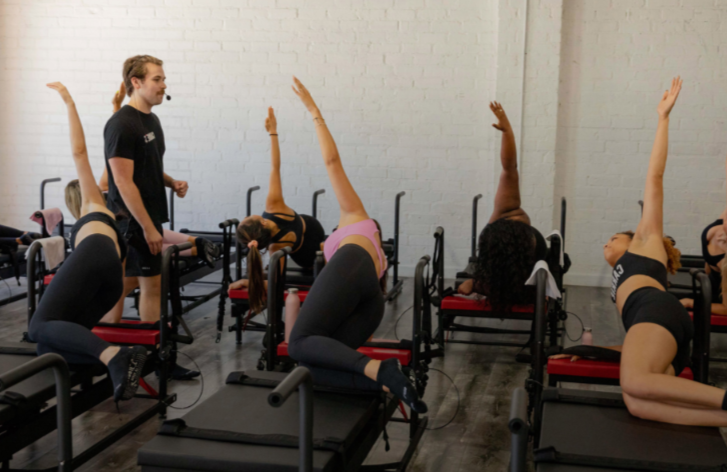
Building a strong, resilient core is essential for weekend warriors who want to maximize performance and minimize injuries. This Pilates core circuit is designed to target your abdominals, stabilize your spine, and enhance overall body strength. Whether you are new to Pilates or a seasoned enthusiast, this step-by-step guide will provide a complete workout script, along with expert tips and modifications to match your fitness level.
By following this routine, you will gain better balance, improved posture, and enhanced endurance for all your weekend adventures.
Why a Strong Core Matters
A strong core is more than just toned abs. It is the foundation for nearly every movement in daily life and fitness activities. Core strength contributes to better posture, spine stability, and balance. For weekend warriors, it also reduces the risk of injury during recreational sports, hiking, cycling, or gym sessions.
Incorporating a Pilates core circuit into your routine ensures you are training both the deep stabilizing muscles and the visible abdominal muscles. This combination improves functional strength, allowing you to perform daily activities and weekend challenges with ease and confidence.
Preparing for Your Pilates Core Circuit
Before starting this workout, make sure you have the essentials:
- Grip Socks: Provides safety and better stability on Carrie’s Transformer (Reformer)
- Towel: Optional for extra support under your lower back
- Light weights or resistance bands: Optional for added intensity
A proper warm-up is crucial to prevent injury. Spend 5–10 minutes doing dynamic stretches, focusing on spinal mobility and hip opening. Gentle movements like cat-cow stretches, pelvic tilts, and shoulder rolls will activate your muscles and prepare your body for the core exercises ahead.
If you have any existing injuries or limitations, consider modifications adapting the exercises safely.
The Pilates Core Circuit Workout
This circuit is designed to progressively engage your core from basic to advanced exercises. Perform each exercise with controlled breathing and focus on form rather than speed.
1. Hundred
- Lie on your back, lift your legs to tabletop position
- Raise your head, neck, and shoulders off the mat
- Pump your arms vigorously while inhaling for five counts and exhaling for five counts
- Repeat for ten cycles
- Benefits: Warms up the core and strengthens the abdominals
2. Roll-Up
- Lie flat with arms extended overhead
- Inhale to reach arms toward the ceiling, exhale to slowly roll up to a seated position
- Inhale as you reach forward toward your toes, then exhale to roll down with control
- Repeat 8–10 times
- Benefits: Increases spinal flexibility and strengthens abdominal muscles
3. Single Leg Stretch
- Lie on your back, lift your head, neck, and shoulders
- Pull one knee toward your chest while extending the other leg
- Switch legs in a controlled motion
- Repeat 8–12 times per leg
- Benefits: Targets deep abdominal muscles and improves coordination
4. Double Leg Stretch
- Start in the same position as the single leg stretch
- Pull both knees into your chest, extend arms and legs simultaneously
- Circle arms back to the knees and repeat
- Perform 8–12 repetitions
- Benefits: Engages the full core and improves breathing control
5. Criss-Cross
- Lie on your back, hands behind your head
- Lift head, neck, and shoulders, and bring opposite elbow to opposite knee
- Alternate sides in a controlled twisting motion
- Repeat 10–15 times per side
- Benefits: Oblique activation and rotational strength
6. Teaser Prep
- Lie on your back with knees bent
- Inhale to lift head, neck, shoulders, and feet into a tabletop position
- Exhale to reach arms toward feet while balancing on your sit bones
- Roll down slowly, maintaining control
- Repeat 6–8 times
- Benefits: Full core engagement and balance development
7. Plank Variations
- Front Plank: Forearms on the mat, body in a straight line, hold 30–60 seconds
- Side Plank: Lie on one side, lift hips, extend top arm, hold 20–40 seconds per side
- Plank with Leg Lift: From front plank, lift one leg at a time, alternating sides
- Repeat each plank 2–3 times
- Benefits: Strengthens abdominals, shoulders, back, and stabilizes the entire body
- Expert Tip: Maintain neutral spine alignment to avoid strain
For advanced practitioners, increase plank hold times or combine variations for a full challenge. Check our plank variations guide for additional progressions.
Modifications for Beginners or Injuries
Not all weekend warriors are at the same fitness level. Pilates offers multiple modifications to make exercises safer and accessible:
- Support under lower back: Use a folded towel for exercises like the Hundred or Roll-Up
- Reduced range of motion: Limit leg extension or spinal lift if experiencing discomfort
- Knee or elbow modifications: Use bent knees in plank or side plank variations
- Shorter holds or fewer repetitions: Gradually increase as strength improves
Modifications ensure you can safely perform the Pilates core circuit without compromising results.
Scheduling Your Pilates Core Circuit
For optimal results, consistency is key. Here are expert recommendations:
- Frequency: 2–4 times per week for weekend warriors
- Circuit Timing: 45 minutes per session
- Integration: Pair with light cardio or yoga for balanced fitness
- Progression: Gradually increase repetitions, hold times, or add light resistance
Proper scheduling ensures continuous strength gains and avoids overtraining while maintaining flexibility and mobility.
Post-Workout Tips and Recovery
After completing the circuit:
- Stretch: Focus on spinal twists, hip openers, and hamstrings to release tension
- Hydrate: Drink water to replenish fluids and aid recovery
- Foam Roll: Optional for deep tissue release in back and legs
- Rest: Allow 24–48 hours between intense core sessions to prevent fatigue
Following post-workout routines enhance performance, reduces soreness, and supports long-term progress.
Conclusion
This Pilates core circuit provides a complete and effective workout for West Hollywood weekend warriors seeking strong, stable, and resilient abdominals. By following the exercises, incorporating modifications when needed, and scheduling sessions consistently, you can enjoy improved strength, posture, and overall body control.
For personalized guidance and tailored workouts, reach out today through our contact page and start building your strongest core yet.
Frequently Asked Questions
A typical session lasts 30-45 minutes depending on repetitions, plank holds, and rest intervals. At Carrie’s PIlates West Hollywood our classes are 45 minutes.
Yes, by using modifications and focusing on form rather than intensity.
For best results, 2–4 times per week is recommended.
Grip socks are essential and required at Carrie’s, while a towel or light weights are optional for added support or intensity.
Absolutely. Pilates core exercises strengthen stabilizing muscles, improving posture, balance, and spinal alignment.